Wallet or Exchange Payments
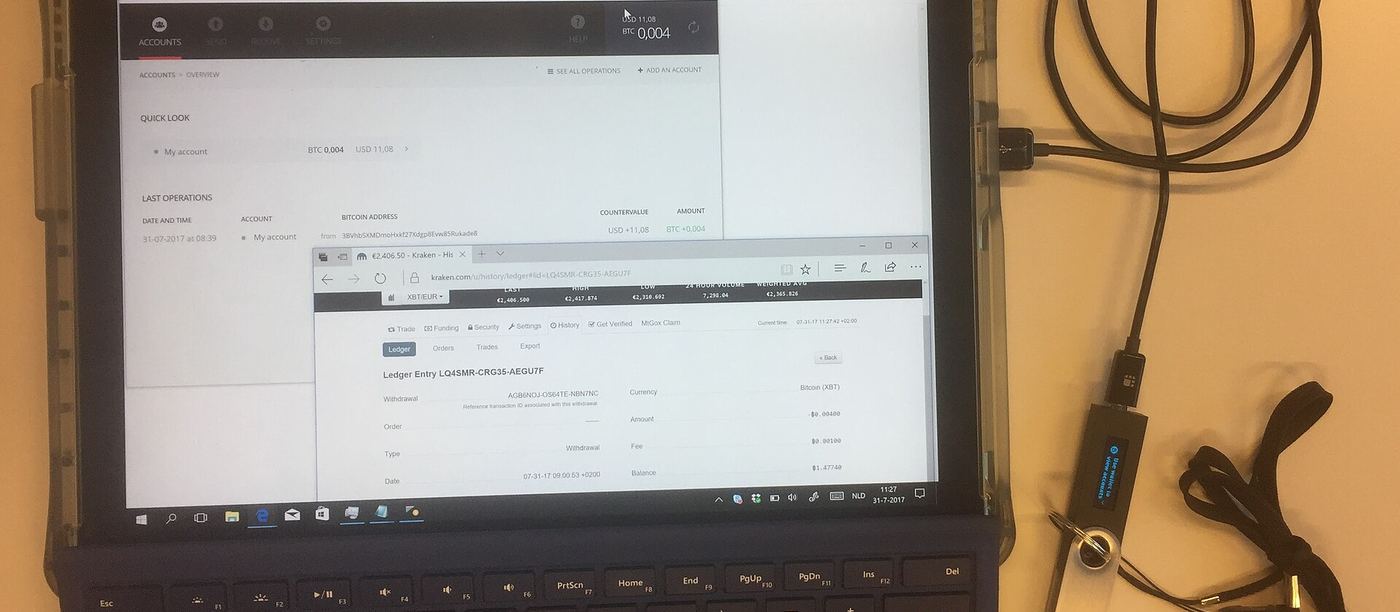
When it comes to funding your crypto casino account, you might be wondering whether to use a hot wallet or an exchange. Both options have their benefits, but if you're looking to avoid potential issues, a self-custody wallet may be the safer choice.
Gambling-Restricted Activity on Exchanges
Some cryptocurrency exchanges, such as Crypto.com, consider gambling as a "restricted activity." This means that accounts may be subject to review or restriction if they are used for prohibited activities, including crypto casino deposits. For instance, Crypto.com's help center states that accounts may be subject to review or restriction if used for prohibited activity. This could potentially lead to withdrawal issues or account review for those who use exchanges for prohibited activities.
Withdrawal Costs and Minimums Vary Widely
Another factor to consider is the withdrawal costs and minimums associated with different exchanges and networks. For example, MEXC's withdrawal example for Bitcoin (BTC) shows a minimum withdrawal of 0.0008 BTC and a fee of 0.0004 BTC. This can significantly impact smaller deposits and casino top-ups. Similarly, Binance's withdrawal fees and minimums vary by network. For instance, the USDT withdrawal minimum differs by network, with 5 USDT on TRC20 and ERC20, and 3 USDT on BEP20. Withdrawal fees also vary, with 1.5 USDT on Tron, 0.3 USDT on Ethereum, and 0.01 USDT on BNB Smart Chain.
Self-Custody for Privacy and Control
Using a self-custody wallet can help reduce exposure by avoiding the potential pitfalls of exchange deposits. Modern wallets built on BIP-32 and BIP-44 standards derive a new address for every transaction, which minimizes the risk of address reuse and privacy leakage. Bitcoin Core, for example, has enforced address rotation by default since version 0.17. This means that using a fresh receiving address for each deposit enhances privacy and security.