USDT vs Bitcoin Gambling
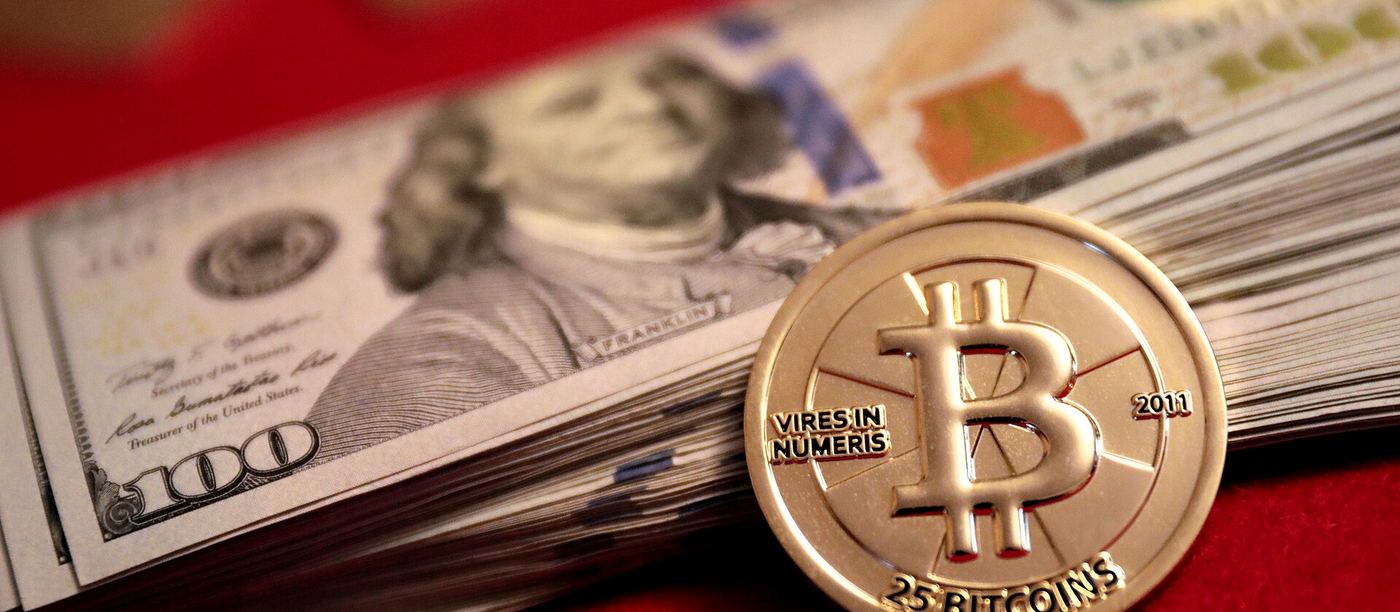
Choosing between USDT and Bitcoin for casino play isn't just a matter of which crypto wallet to top up. It's a decision that can change the real-world outcome of your gambling session, because Bitcoin opens you to price swings while USDT largely removes that risk. Understanding the difference between these two crypto options can help you decide which one gives you a fairer shot at locking in your wins, and a clearer path through the tax and record-keeping that follows.
Why the coin matters before the first hand
Bitcoin is famously volatile. A peer-reviewed paper from January 2021 found its price swings to be "almost 10 times higher" than those of major fiat currencies like the US dollar against the euro and yen. In May 2024, a Fidelity Digital Assets research note said Bitcoin is less volatile than some big-name stocks, but that doesn't mean it's stable. As of July 11, 2024, iShares reported Bitcoin's volatility to be 3.6 to 5.1 times that of gold and global equities. By 22 April 2026, a FinanceFeeds market note reported its 30-day realized volatility at 40.7%.
Compare this to USDT or Tether, which are pegged 1:1 to the US dollar. As a stablecoin, USDT aims to remove the price risk that comes with Bitcoin's wild up-and-downs. For casino players, that means the real value of deposits should hold steady while bets are made and lost. The flip side is that a BTC casino balance doesn't always read the same way as a USDT one. A casino-industry explainer works the numbers using an example of $500 in BTC deposited on Monday and $500 in BTC cashed out on Thursday. Depending on market movement, the player could be facing $470, $500, or $540 in real value. That $70 swing is purely from price movement, not the player's wagers. The same article frames that property of USDT to be its core advantage for casino play.
What a session can really be worth
With significant swell in Bitcoin's price between deposit and withdrawal, a winning session in BTC might not pay as much as you expect. Conversely, a losing session gets smacked twice: once by the house edge, and again by the currency's down-move. That's doubly true if you win a prize bonus in Bitcoin, but take it out as the rate slumps. On the flip side, a USDT deposit keeps its value tightly. Market movements can change the BTC that USDT will buy back, but not the USDT level itself. Conversely, the volatile BTC deposits and withdrawals create extra noise in the transaction log, and thus create extra work upfront and in subsequent record-keeping.
How casinos and wallets make the numbers look
Typical crypto casinos show account balances in coin units, not dollar value. So a session and prize measured in BTC or USDT doesn't reveal just how much real value was won, lost, or stored. This puts players reliant on software to figure out the balance in fiat at time of deposit, time of winnings, and time of withdrawal. The same goes for winnings driven off casino bonuses paid in specific units. A sponsored tournament reward in BTC might seem equally tempting as the USDT one, but it could represent a different amount of value in fiat.